When your life is filled with gratifying activities and a sense of function, your addiction will lose its appeal (what is drug addiction treatment). Do things that challenge your creativity and stimulate your imaginationsomething you've always desired to attempt.
Find out a musical instrument, a foreign language, or attempt a new sport. Yes, animals are a duty, but looking after an animal makes you feel loved and required. Take a beautiful walking, go fishing or camping, or delight in regular walks in a park. Check out a museum, go to a concert or a play, take an art class or write a narrative. Change your dependency with drug-free groups and activities. Volunteer, end up being active in your church or faith community, or join a local club or area group. It does not matter what the objectives are, simply that they are essential to you. Regular workout, adequate sleep, and healthy eating practices help you keep your energy levels up and.
your stress levels down. The more you can stay healthy and feel excellent, the easier it will be to remain sober. While relapse is discouraging and frustrating, it can be an opportunity to gain from your mistakes, recognize extra triggers, and fix your treatment course. Various "triggers" can put you at threat of falling back into old patterns of substance usage.
While specific reasons for regression differ from person to person, some common triggers consist of: Unfavorable psychological state( such as stress, unhappiness, anger, or trauma) Favorable emotion( sensation happy and wishing to feel even much better, such as having fun with buddies )Physical pain( such as discomfort or withdrawal signs )Attempting to evaluate your personal control(" I can utilize simply once "or" have simply one pill") Strong temptation or urge( yearning to utilize) Conflict( such as an argument with your spouse or partner) Public opinion( being in a circumstance where it appears everybody else is utilizing) The important thing to bear in mind is that relapse does not mean drug treatment.
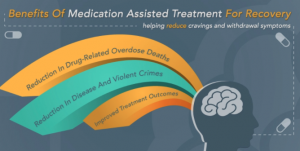
failure. Call your sponsor, talk with your therapist, go to a conference, or set up a consultation with your physician. When you're sober again and out of danger, look at what activated the relapse, what went incorrect, and what you might have done differently. You can choose to return on the path to healing and use the experience to strengthen your dedication. Even as a drug or alcohol dependency threatens to rewrite an individual's life, compound abuse treatment choices exist that can begin to resolve the harm done and assist the individual to attain health and balance. While counseling and aftercare assistance address lots of psychological and psychological obstacles, the drugs utilized for dependency treatment or drug abuse can assist with breaking the chains of physical reliance, helping to reduce an often-difficult withdrawal duration, and managing any other medical or psychological health concerns that might have been left neglected( and in many cases, undiagnosed) along the way. The addictive nature of lots of substances stems from the method they manipulate the brain's satisfaction and reward centers. Though their exact systems of action differ, numerous pharmacotherapeutics in the treatment of dependency aid to bring back balance to the extremely neurochemical processes that are interrupted by alcohol and drug use. To assist deal with particular kinds of dependency, a person may be recommended treatment drugs that lessen yearnings and withdrawal, counter the envigorating impacts of a drug, or have" off-label "uses that support the individual in recovery. Naltrexone is best when used after the person has ended up medically monitored detox, since utilizing it when opioids are still in the body might prompt exceptionally extreme withdrawal signs. Naltrexone is viewed to be a perfect drug for dealing with opioid abuse, due to the fact that of the ease of administration, minimal side impacts, and lack of abuse/addiction liability. Given that buprenorphine is just a partial agonist drug, there is a" ceiling" to its opioid impacts, and it is incapable of generating as strong of a high as numerous full opioid agonist drugs.

of abuse. According to the Substance Abuse and Mental Health Providers Administration, this lowers its potential for abuse, in addition to the degree of the withdrawal impacts associated with the treatment drug itself. Naltrexone has also revealed applicability as a tool to treat alcoholism. An injectable, extended-release kind of naltrexone understood as Vivitrol has actually been called "the most essential development in addiction treatment in the past 25 years. "A medical director informs the New york city Daily News that while naltrexone needs a tablet to Addiction Treatment be taken as soon as every day or two days, Vivitrol is administered via injection when a month. On the other end of the spectrum of opioid agonist drugs like methadone and buprenorphine are the opioid villains, consisting of the drug naloxone. In addition to being able to obstruct the activation of opioid receptors, naloxone serves as a competitive antagonist and is able to actively reverse the narcotic impacts of lots of full opioid agonist drugs. Naloxone's use extends beyond its role as an "antidote "to opioid overdose. It is typically discovered in a combination formulation with buprenorphine( e.g., as the opioid dependence treatment medication Suboxonea drug which the Washington Post refers to as" the drug [that] could combat the heroin epidemic.") Its addition in such a drug is done to suppress abuse of the treatment drug itself. Other drugs that are used to assist people dealing with alcohol addiction include disulfiram and acamprosate. When used as recommended, disulfiram( brand name: Antabuse) will result in a really unpleasant response ought to the specific take in even percentages of alcohol. It accomplishes this impact by blocking the activity of a particular enzyme important in metabolizing ethanol. Reactions can consist of headache, queasiness, vomiting, chest.
discomfort, sweating, blurred vision, and breathing problem, amongst others. Experiencing such uncomfortable symptoms and/or understanding that they will take place is believed to deter people from drinking. Acamprosate( brand name: Campral) is particularly developed to preserve the chemical balances in the brain that are interfered with in a person with noticable alcoholism.
The Only Guide to How Effective Is Addiction Treatment
Acamprosate might work by protecting the brain from overexcitation that results when a person tries to withdraw from alcohol in the wake of its considerable interruption of excitatory and inhibitory signaling. In doing so, regression likelihood may be decreased , and abstaining promoted. A research study released in the journal Alcohol and Alcoholism that took a look at 296 alcohol-dependent clients who were randomized into groups that received acamprosate and a placebo discovered that abstaining was maintained 19 days longer in the acamprosate group than the placebo group. Often, the weapons in the battle versus addiction come from unanticipated places. In 1998, the U.S. Fda authorized modafinil( under the brand Provigil) as a treatment for narcolepsy. Modafinil is a non-amphetamine central worried system stimulant and eugeroica drug that promotes alertness/wakefulness. It is recommended for those who struggle to work in their day-to-day lives since of irregular or decreased sleep patterns. Modafinil's results have likewise drawn attention for possible usage as a treatment for drug dependencea condition for which there is presently no FDA-approved drug. It has been thought that the stimulant results of modafinil could be beneficial in relieving some of the signs.
of severe drug withdrawal. Moreover, there is some evidence that modafinil might reduce drug cravings and mute a few of the subjective reaction to this addictive drug.